

closing gaps through consistency
How New York City’s District 14 improved by focusing on its highest-need kids.
DETAILS
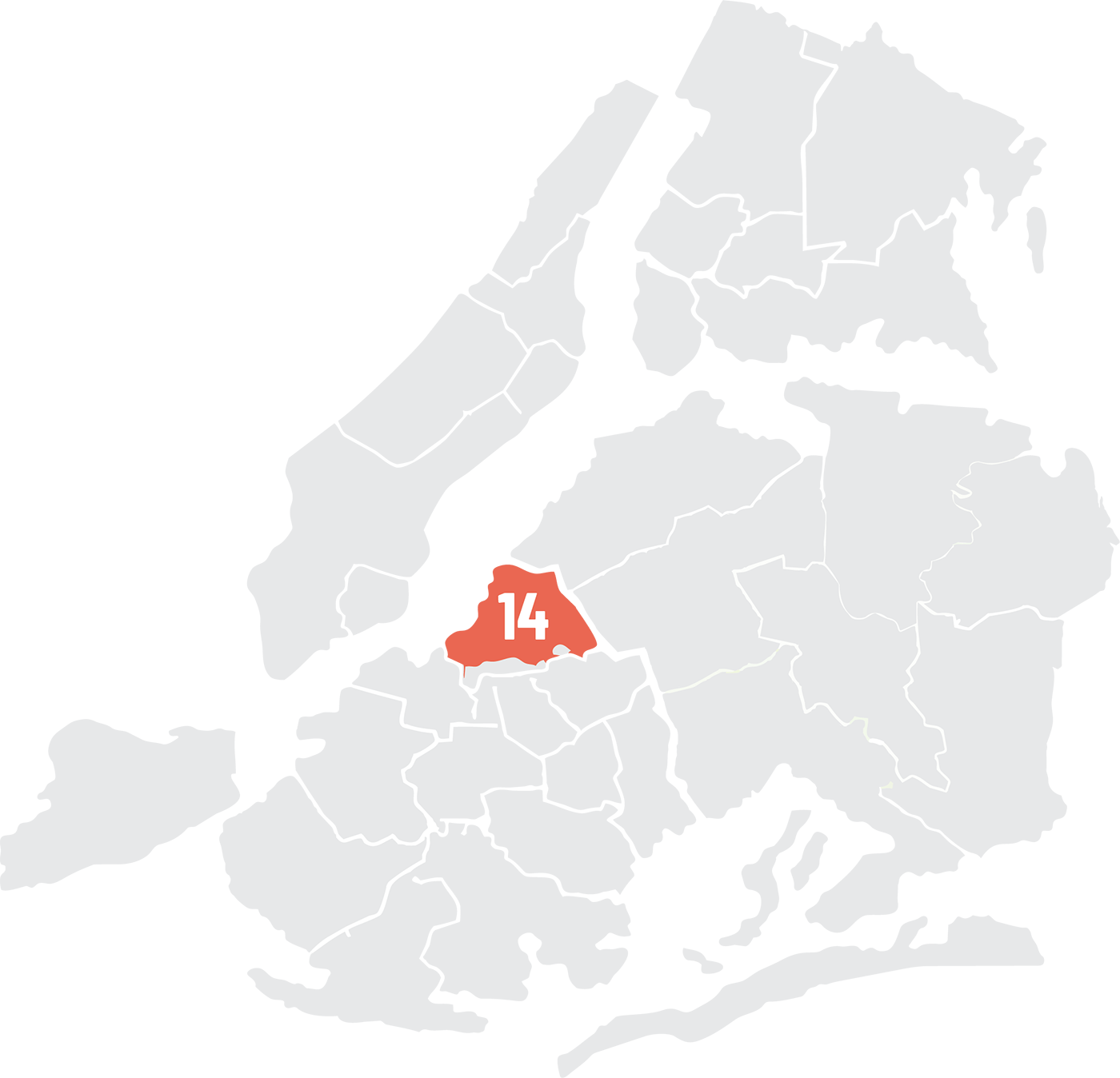
New York City District 14
Updated Sept 8, 2026
SUMMARY
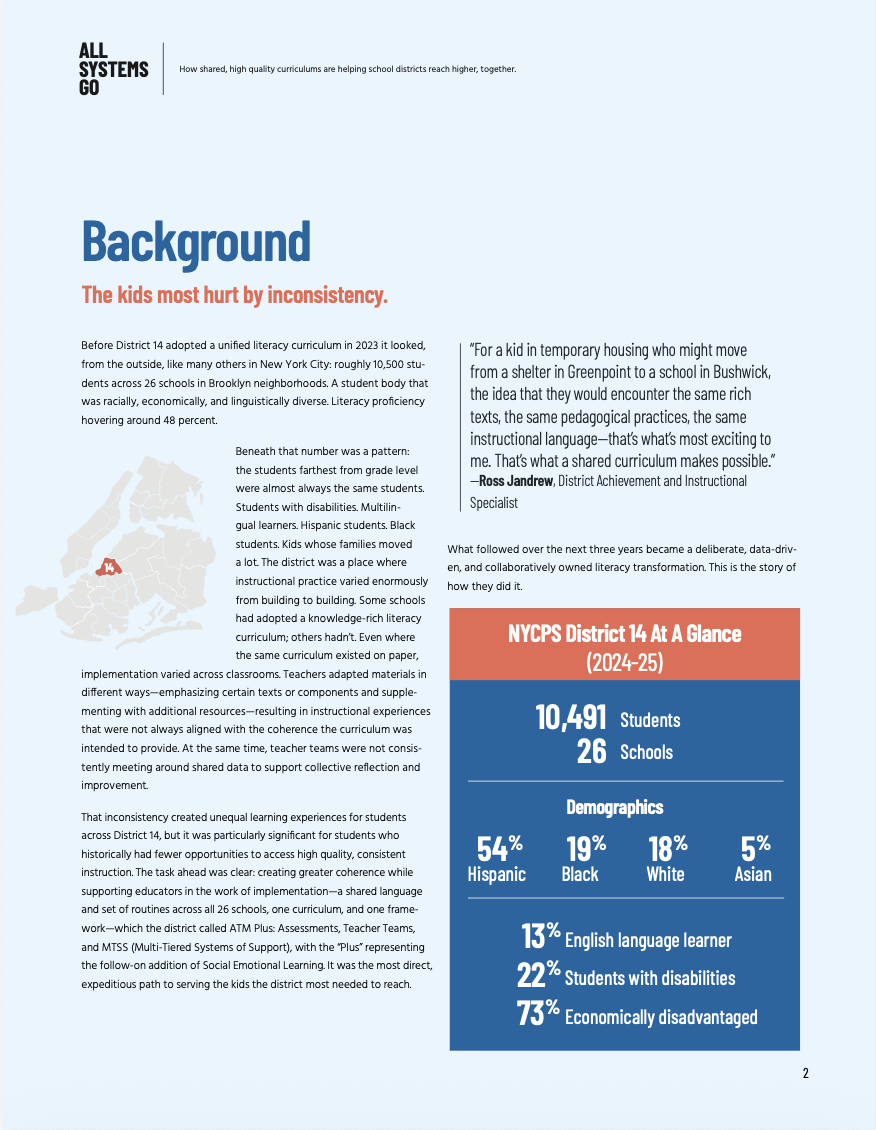
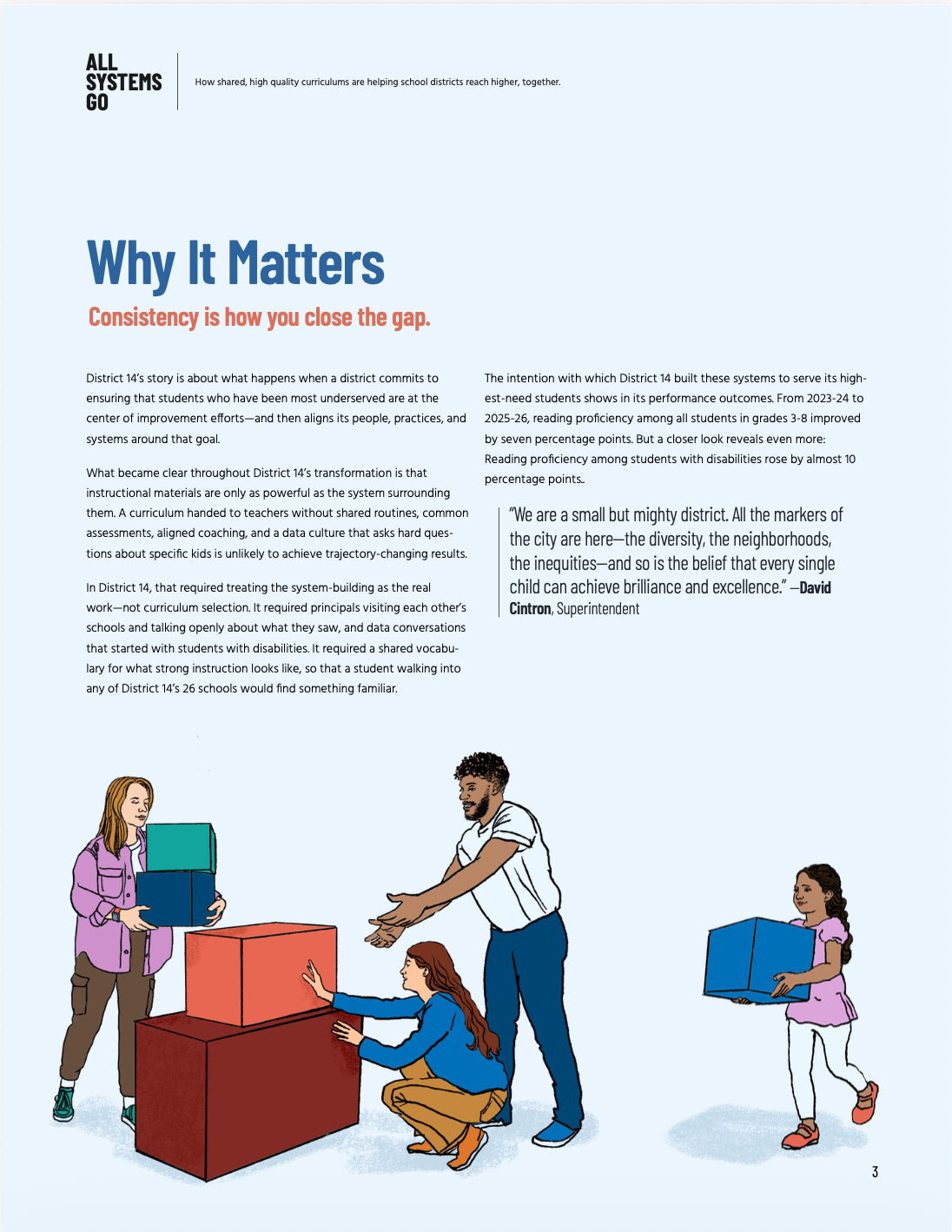
New York City’s District 14 demonstrates what happens when a district commits to ensuring that students who have been most underserved are at the center of improvement efforts—and then aligns its people, practices, and systems around that goal. This Brooklyn district treated system-building, not curriculum selection, as the real work of instructional improvement. Data conversations started with students with disabilities. Principals visited each other’s schools and talked openly about what they saw. Educators gained a shared vocabulary for what strong instruction looks like, so that a student walking into any of the district’s 26 schools would find something familiar.
The intention with which District 14 built these systems to serve its highest-need students shows in its performance outcomes. In two school years, reading proficiency among all students in grades 3-8 improved by 9 points. But a closer look reveals something more: Reading proficiency among students with disabilities rose by 16 points.
"We want students with disabilities to be the conversation starter, not the appendix. The magic is in making sure those kids are at the forefront, not the addition."
— Ross Jandrew, District Achievement and Instructional Specialist